“Second Nature” - Book Project
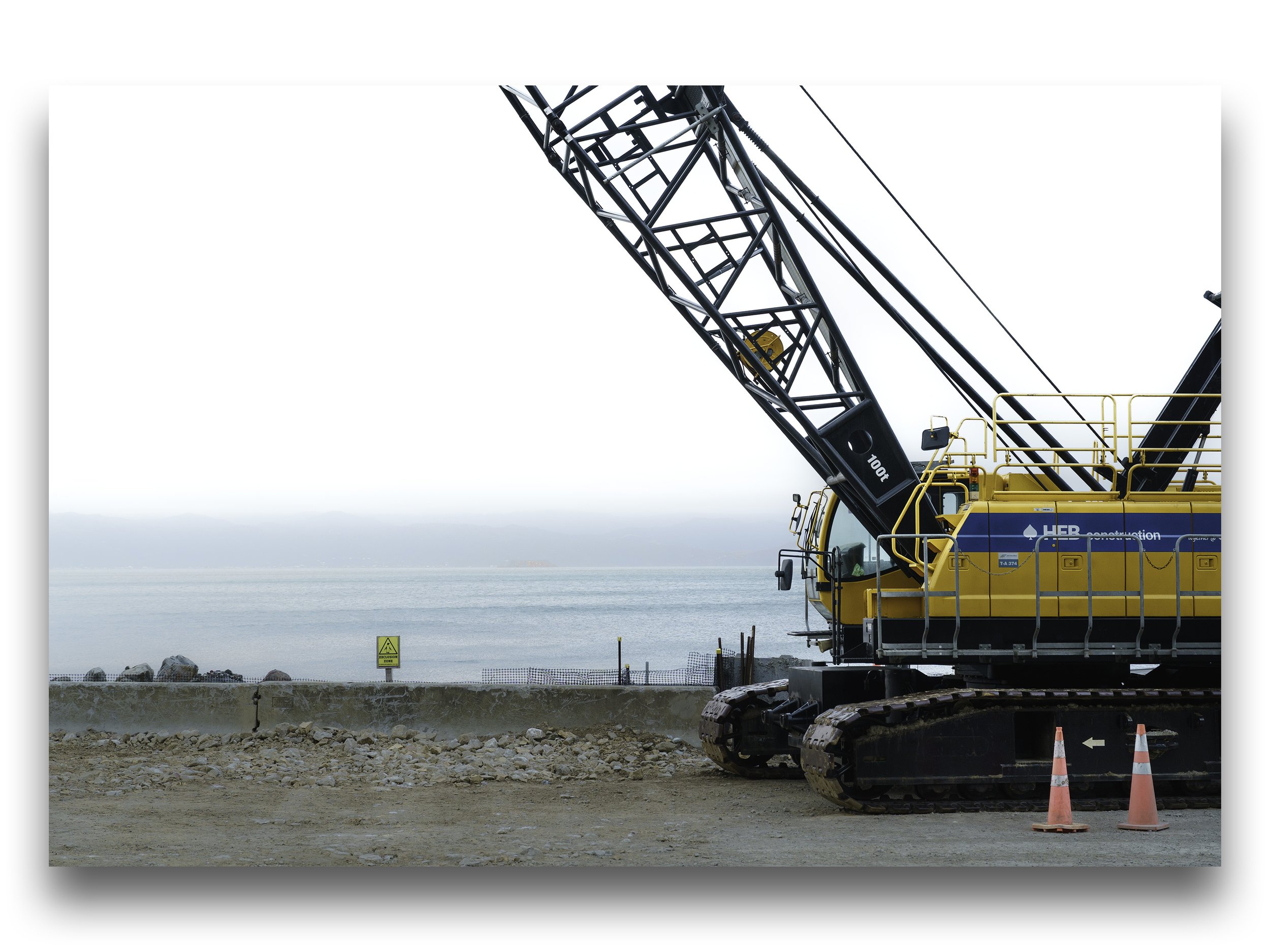
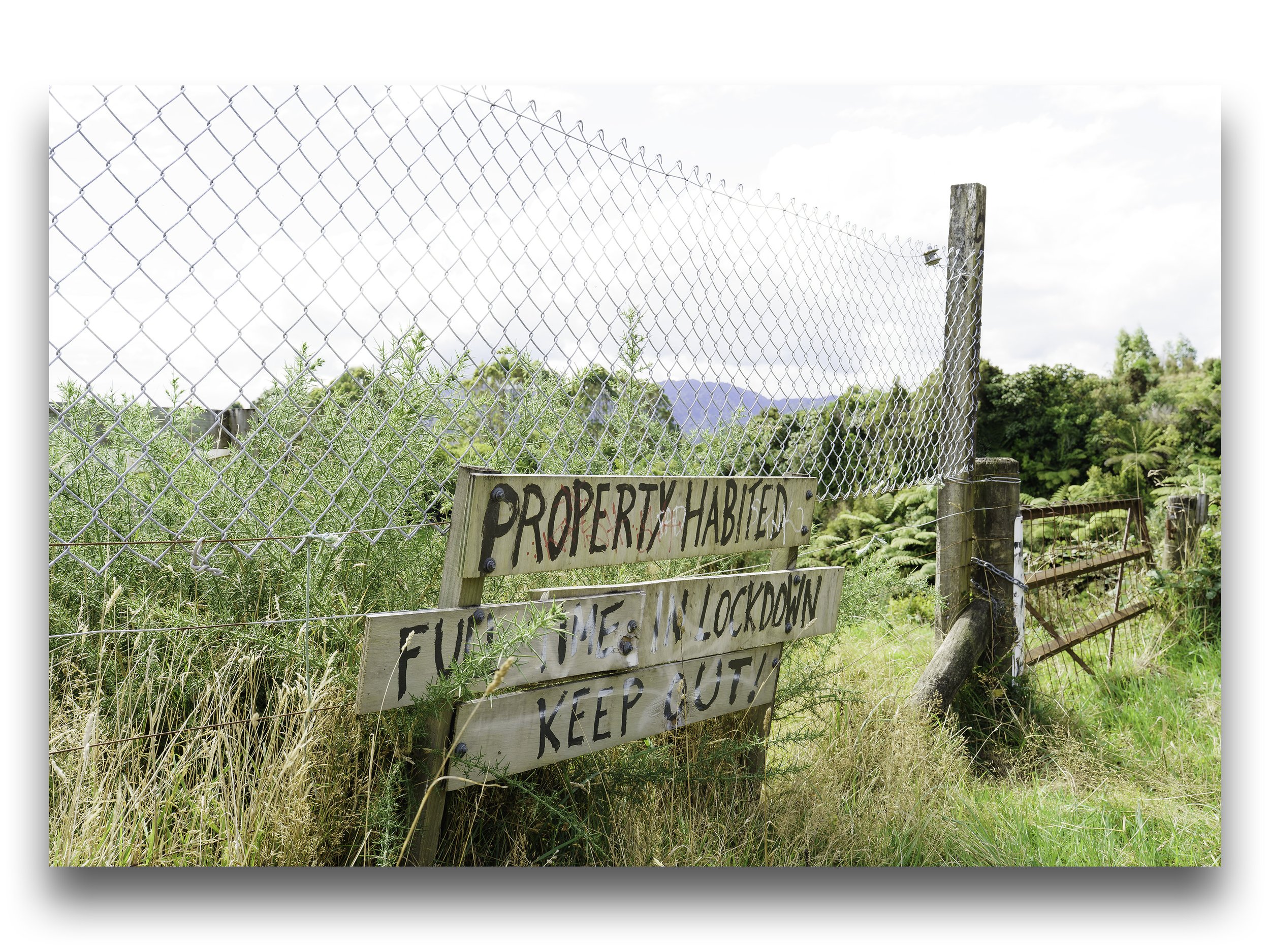
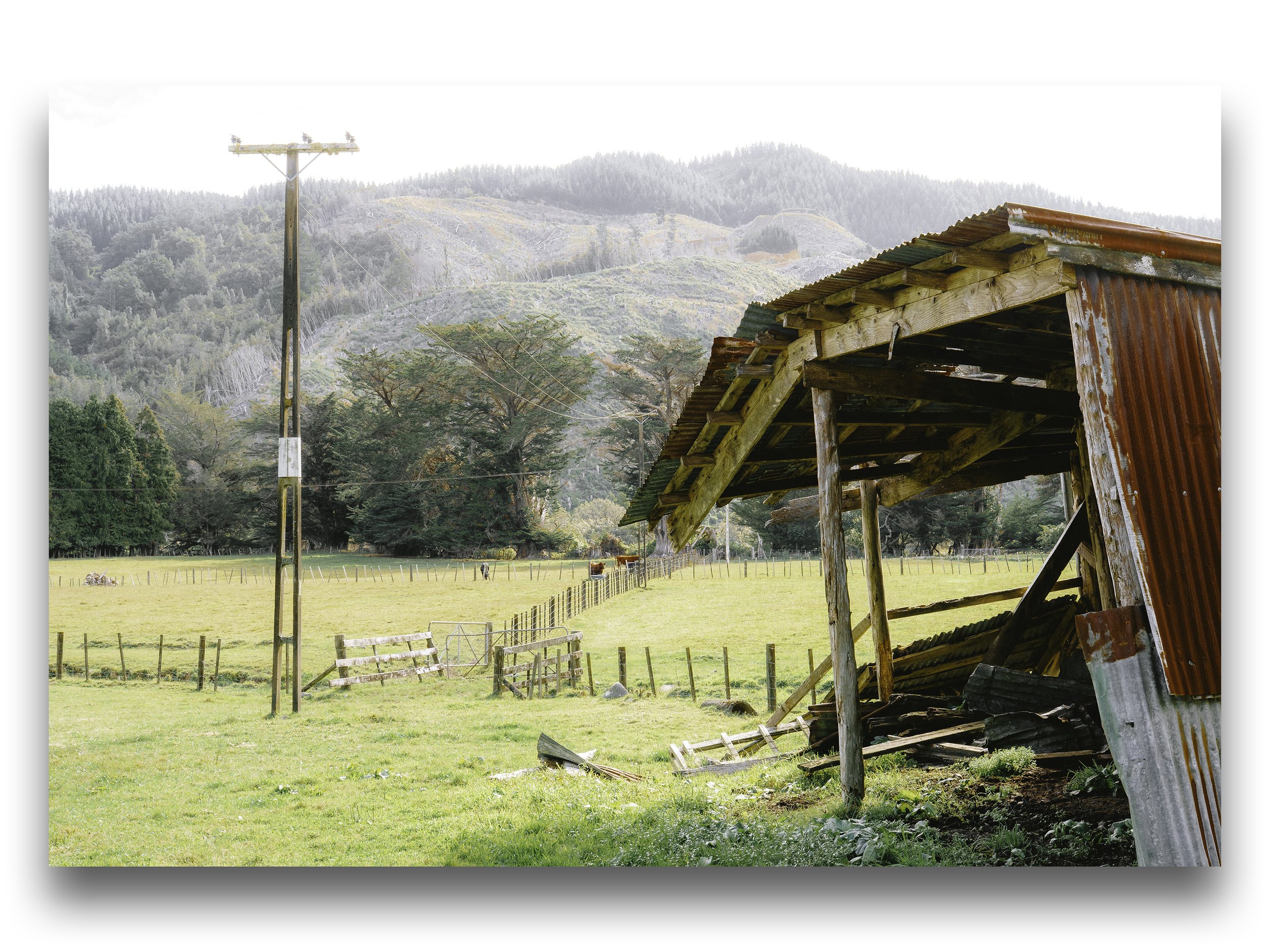
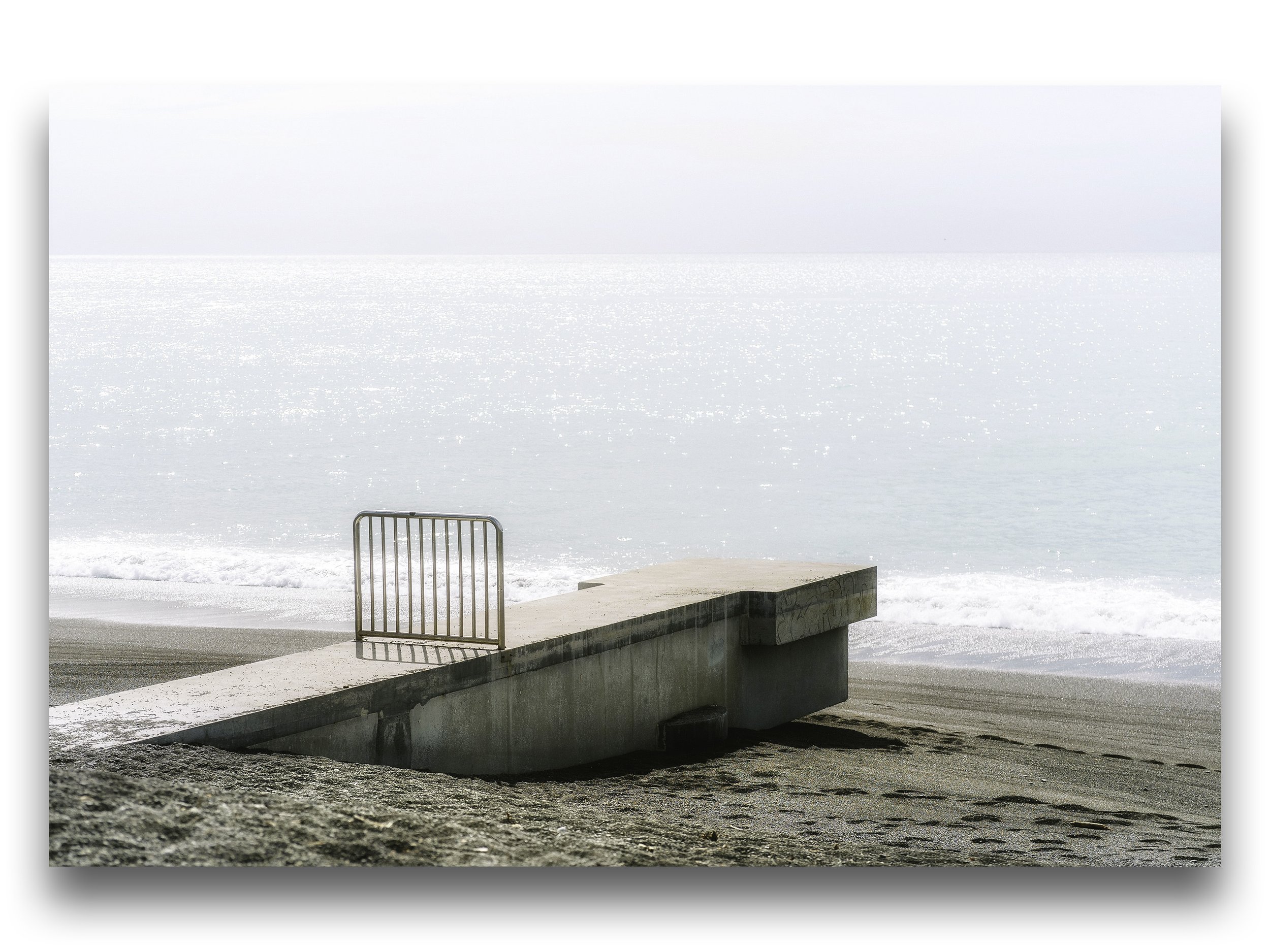
This project is a quiet meditation on the evolving conversation between what we build and what the land remembers. It drifts through the edges where concrete meets earth, where timber greys beneath the weather, where the line between human intention and natural persistence begins to soften.
Influenced by the restrained observation of New Topographics and the haunting stillness of Liminal Space photography, these images explore the uneasy poetry of coexistence; the way structures impose, yield, adapt, and are eventually reclaimed.
In Aotearoa New Zealand, this tension feels distinct. Ours is a young country by human measure, still finding its rhythm against an ancient landscape. The marks we leave are fresh, and the dialogue between built form and wild terrain remains tentative; a conversation in its early stages, full of pauses, interruptions, and unexpected harmonies.

There is no judgment here, no warning, only observation and reflection.
Each photograph holds a question:
What do these intersections reveal about us?
Where do our creations end and the land begin?
And in this exchange, who is shaping whom?
Through soft contrast and patient composition, the work invites a slower way of seeing — one that recognises the built and natural not as opposites, but as partners in a fragile and ongoing negotiation.
The project will culminate in a photography book, gathering these encounters into a single body of work. Though still in its early stages, it continues to grow — quiet and steady, like the environments it seeks to understand.
Thank you for your interest, and for sharing in this exploration.

Every fencepost, footpath, and wall carries a quiet awareness of time, of its own impermanence, and of the land’s patient capacity to take everything back. These are places where the built world is humbled by the slow persistence of the natural one.
Each image also acknowledges the layered stories beneath these surfaces: of arrival, settlement, adaptation, and belonging. In Aotearoa, every structure stands upon older ground, where the question of who shapes the land, and who listens to it, remains open.
By removing people from the frame, the work embraces silence as a form of attention. The absence becomes its own kind of presence, the echo of intention, the afterimage of human touch. It is in these quiet spaces that the dialogue between nature and construction speaks most clearly.